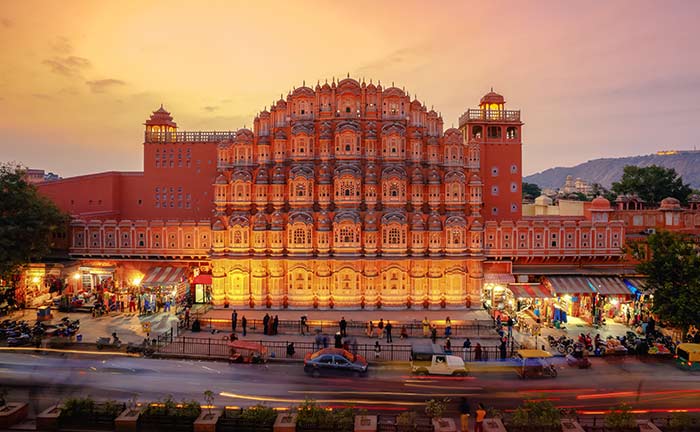
Hawa Mahal – The Iconic Palace of Winds in Jaipur
Jaipur, the vibrant capital of Rajasthan, is home to many magnificent historical monuments, but none is as instantly recognizable as the Hawa Mahal, also known as the Palace of Winds. Standing gracefully in the heart of the Pink City, this architectural masterpiece attracts millions of tourists from around the world every year. Its unique honeycomb-shaped façade, intricate lattice windows, and rich royal history make it one of the most visited landmarks in India.
History of Hawa Mahal
Hawa Mahal was built in 1799 by Maharaja Sawai Pratap Singh, the grandson of Maharaja Sawai Jai Singh II, who founded Jaipur. The palace was designed by the renowned architect Lal Chand Ustad and was inspired by the shape of Lord Krishna's crown.
The primary purpose of constructing Hawa Mahal was to allow the royal women of the palace to observe festivals, religious processions, and everyday life on the bustling streets below without being seen by the public. This practice followed the traditional Purdah system, which was common during the Rajput era.
Unique Architecture
Hawa Mahal is one of the finest examples of Rajput and Mughal architecture. Built using red and pink sandstone, the palace rises five stories high while remaining surprisingly narrow from the side.
The most remarkable feature of Hawa Mahal is its 953 beautifully carved windows, known as jharokhas. These small windows allow cool air to circulate throughout the building, creating a natural ventilation system that keeps the interiors pleasant even during Rajasthan's hot summers. This ingenious design is the reason it earned the name "Palace of Winds."
The intricate latticework, delicate carvings, domes, and arches showcase the exceptional craftsmanship of the artisans of that era.
What to See Inside Hawa Mahal
Although its exterior is the most photographed part of the monument, the interiors are equally fascinating. Visitors can explore:
- Beautiful courtyards
- Royal chambers
- Decorative balconies
- Historic corridors
- Small museum displaying ancient artifacts
- Traditional Rajput architecture
- Panoramic views of Jaipur City
From the top floors, visitors can enjoy breathtaking views of City Palace, Jantar Mantar, bustling local markets, and the colorful streets of Jaipur.
Best Time to Visit
The ideal time to visit Hawa Mahal is between October and March, when Jaipur experiences pleasant weather suitable for sightseeing.
Early morning is considered the best time to visit because the soft sunlight beautifully illuminates the pink sandstone façade, making it a paradise for photographers.
Entry Timings
- Opening Time: 9:00 AM
- Closing Time: 5:00 PM
- Open throughout the week.
(Visitors are advised to check the latest timings before planning their trip.)
Nearby Attractions
A visit to Hawa Mahal can easily be combined with several famous attractions located nearby, including:
- City Palace
- Jantar Mantar (UNESCO World Heritage Site)
- Johari Bazaar
- Bapu Bazaar
- Albert Hall Museum
- Jal Mahal
- Nahargarh Fort
- Amber Fort
These destinations make Jaipur an excellent choice for a full-day heritage tour.
Travel Tips
- Visit early in the morning to avoid crowds.
- Wear comfortable footwear as there are ramps and multiple levels to explore.
- Carry water, sunglasses, and sunscreen during summer.
- Keep your camera ready for stunning architectural photography.
- Explore the nearby local markets for traditional Rajasthani handicrafts, jewelry, textiles, and street food.
Why Visit Hawa Mahal?
Hawa Mahal is more than just a historical monument—it is a symbol of Jaipur's royal heritage and architectural brilliance. Whether you're passionate about history, architecture, photography, or cultural exploration, this iconic palace offers an unforgettable experience. Its stunning façade, fascinating history, and central location make it a must-visit destination for anyone traveling to Rajasthan.
If you're planning a trip to Jaipur, don't miss the opportunity to explore the magnificent Hawa Mahal and discover the timeless beauty of India's Pink City.